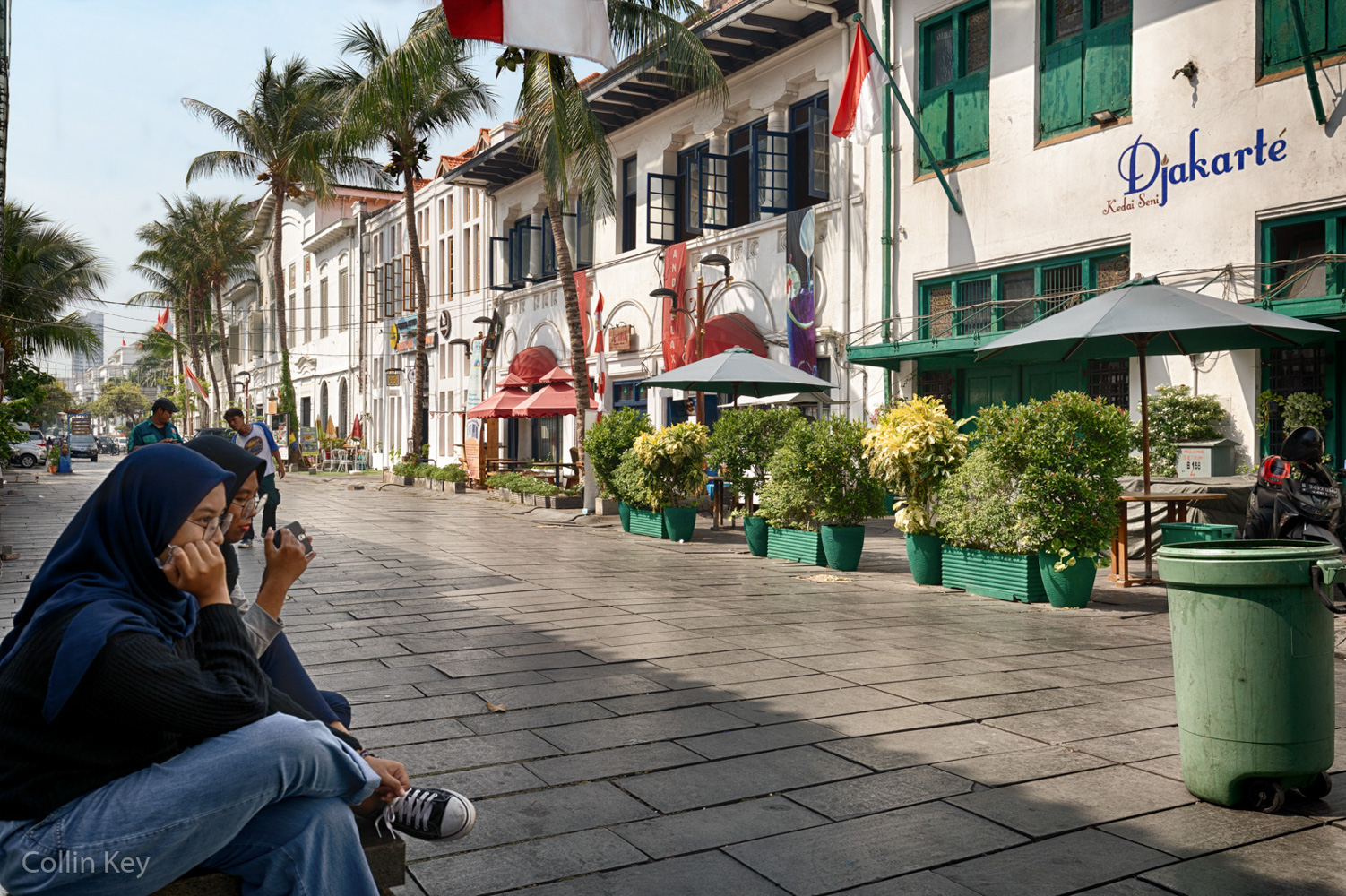
Nestled in the heart of Jakarta, Kota Tua, or the Old Town, stands as a captivating time capsule, transporting visitors back to the city’s colonial past. This historic district, with its charming cobblestone streets and well-preserved buildings, offers a unique glimpse into the architectural legacy left behind by the Dutch East Indies Company.
As you wander through Kota Tua, the first thing that catches your eye is the striking contrast between the old and the new. Amidst the towering skyscrapers and bustling modernity of Jakarta, this enclave remains a serene oasis, where the echoes of a bygone era linger in every nook and cranny. Needless to say, it’s a must-visit destination for anyone seeking to unravel the city’s rich cultural tapestry.
One of the most iconic landmarks in Kota Tua is the Fatahillah Square, formerly known as Batavia Square. This expansive open space, once the heart of the Dutch colonial settlement, is flanked by an array of impressive buildings that showcase the Dutch architectural influence. Take, for instance, the Jakarta History Museum, a former City Hall that boasts a stunning blend of Dutch Renaissance and Indonesian elements. Its intricate carvings and ornate details are a testament to the craftsmanship of the time.
As you meander through the narrow alleys, you’ll stumble upon hidden gems like the Café Batavia, a charming colonial-style café that transports you back to the 19th century. Sipping a cup of rich Indonesian coffee while admiring the vintage decor is an experience that truly encapsulates the essence of Kota Tua.
But the architectural wonders don’t stop there. The Sion Church, with its striking white façade and towering spire, is a prime example of Dutch Baroque architecture. Built in the 17th century, this church has withstood the test of time and remains a beloved landmark for both locals and visitors alike.
Interestingly, the colonial influence in Kota Tua extends beyond just buildings. The very layout of the streets and canals reflects the Dutch penchant for urban planning and water management. As you stroll along the picturesque waterways, you can’t help but marvel at the ingenuity of the engineers who designed this intricate system.
Of course, no visit to Kota Tua would be complete without indulging in the local cuisine. From traditional Indonesian delicacies to fusion dishes that blend Dutch and Indonesian flavors, the culinary scene in this area is a delightful melting pot of cultures. Whether you’re grabbing a quick bite from a street vendor or savoring a leisurely meal at a cozy restaurant, the flavors are sure to tantalize your taste buds.
As the sun sets over Kota Tua, the district takes on a whole new charm. The warm glow of streetlights casts a romantic hue over the colonial buildings, inviting you to linger a little longer and soak in the atmosphere. It’s during these moments that you truly appreciate the timeless beauty of this historic enclave and the stories it has to tell.
Jakarta Old Town (Kota Tua) is a historic district in the heart of Jakarta, Indonesia, that serves as a testament to the city’s rich cultural heritage and colonial past. This area, once known as Batavia, was the center of Dutch colonial rule in the East Indies and boasts a unique blend of architectural styles, including Dutch, Portuguese, and Malay influences. The iconic landmarks, such as the Fatahillah Square, the Toko Merah (Red Store), and the Maritim Museum, offer visitors a glimpse into the city’s storied past. Despite the challenges of urban development and modernization, Kota Tua remains a cherished cultural hub, attracting tourists and locals alike who seek to experience the authentic charm and historical significance of this captivating neighborhood.